Research Demonstrations
Experimental videos and audio examples from my wireless sensing systems. Each demonstration includes a short guide to what is being measured or recovered.
RadKey
A concealed batteryless tag captures the minute vibrations produced by typing. The video follows the experimental setup, physical sensing modes, and signal-processing pipeline.
RadEar
Listen to two overlapping voices recovered from RF backscatter, then follow the outputs through source separation and denoising. All five clips cover the same ten-second interval.
Start with the mixed input. Read from top to bottom: input, source separation, then denoising. Playing a new sample pauses the previous one.
1. Captured input
Both voices overlap in this recording.

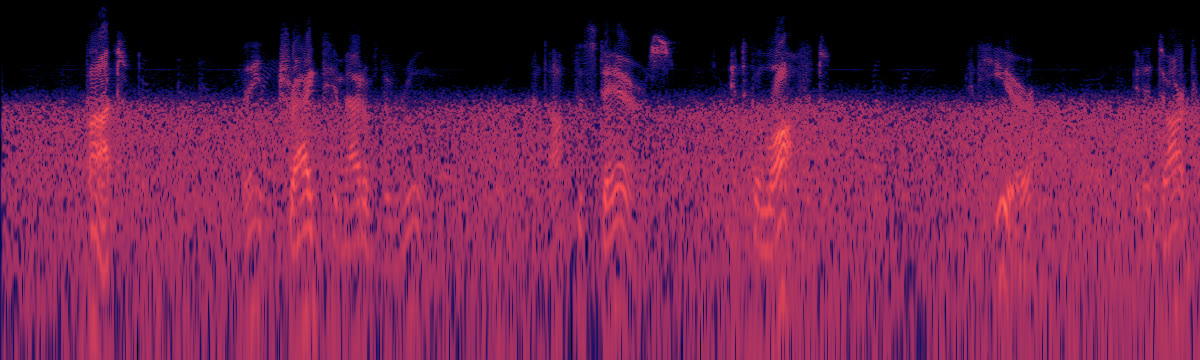
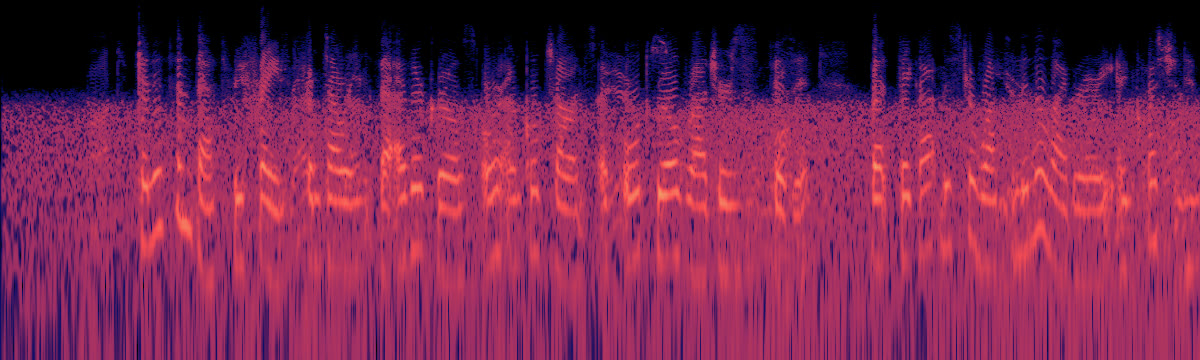
2. Separated outputs
The two estimated sources, before denoising.
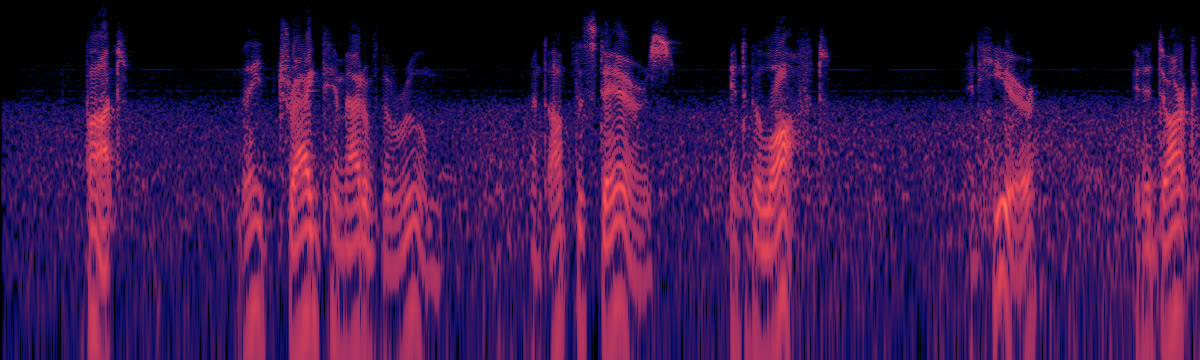
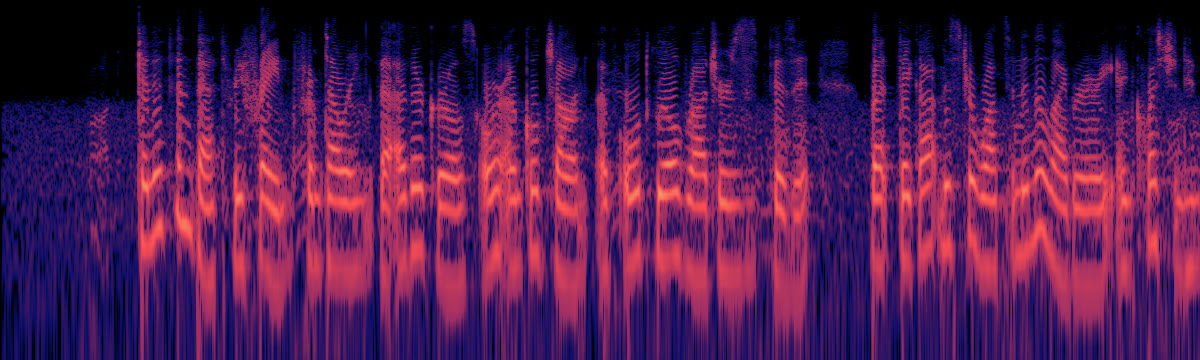
3. Denoised outputs
Each separated source after residual-noise suppression.
SOPAR
Watch a tagged bee move across the comb. The magenta trace shows the RF system's estimated trajectory.
TagMic
The waveform and spectrogram show audio decoded from RF backscatter. Play the recording to hear the recovered speech while following the reconstructed signal.
Experimental Results
These figures summarize results reported in the papers; they are not measurements of the individual clips above.
- RadKey: 90.5% F1 at 8 m under obstructed line of sight with LLM-guided adaptation.
- RadEar: STOI ≥ 0.67 through a 15 cm concrete wall at speaker-to-tag distances up to 2.5 m.
- SOPAR: 3.7 cm median error when tracking a queen bee in a full-size hive.
- TagMic: Intelligible, continuous batteryless voice streaming at up to 8 m.